Air conditioner leaking water: why, and what to do tonight
Updated 3 October 2026 · 9 min read
An air conditioner leaking inside usually has a blocked condensate drain or a filter so dirty the coil iced up and then melted. Turn it off, catch the water, and check the filter and the drain outside.
Tonight
- Turn the unit off.
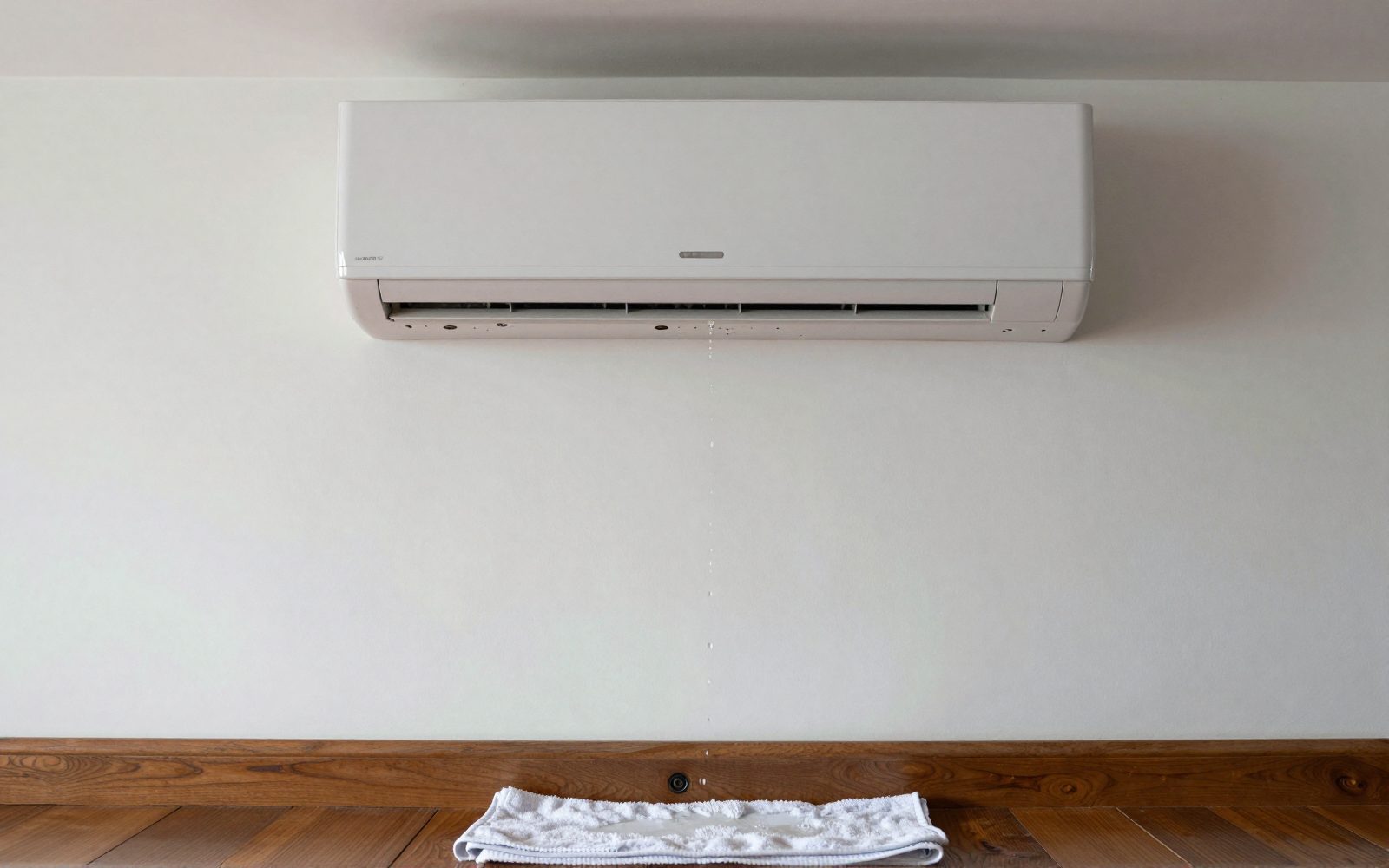
- Catch the water with a towel and a container, and move anything electrical away from the drip.
- Check the filter. If it is clogged, clean it: how.
The usual causes
| Cause | Sign | Who fixes it |
|---|---|---|
| Blocked drain line | No water dripping outside where the drain ends | A technician can clear it |
| Dirty filter | Ice on the coil, then drips as it melts | You: clean the filter |
| Unit not level | Drips from one end of the unit | The installer |
| Low refrigerant | Icing even with a clean filter, weak cooling | A licensed technician only |
Find the drain outside
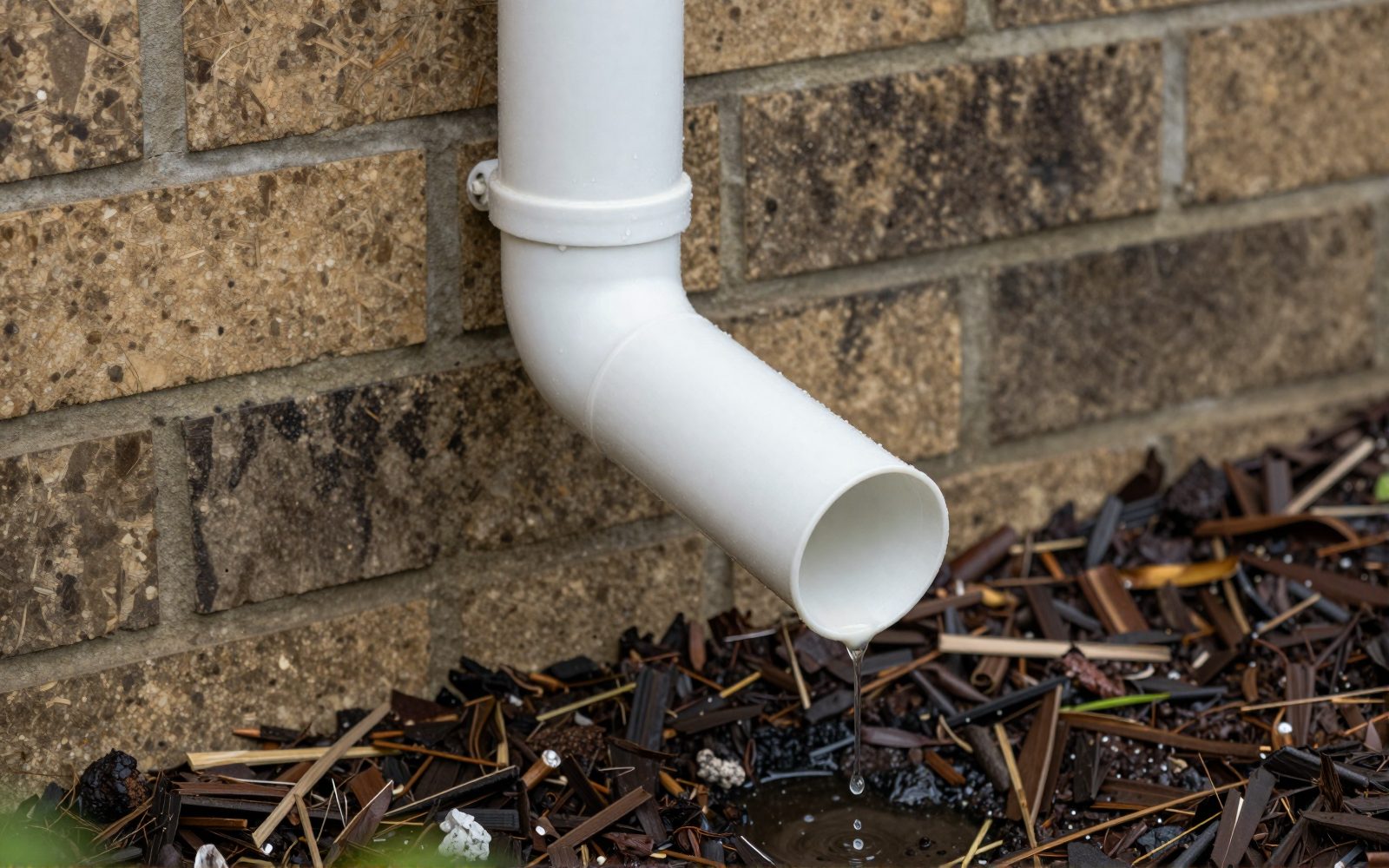
The condensate drain is a thin pipe that ends outside, often near the outdoor unit or into a garden bed. On a humid day with the unit running in cool mode it should drip.
Is it an emergency?
Not usually, but water near electrics is a hazard: keep the unit off until the cause is fixed. Refrigerant work needs an ARCtick-licensed technician. hipages puts split system repairs at about $85 to $160.
Why an air conditioner makes water at all
An air conditioner cools air by passing it over a cold coil inside the indoor unit. Warm, humid air touching the cold coil drops its moisture as water, the same way a cold drink sweats on a hot day. That water collects in a drain pan under the coil and runs out through a thin condensate pipe to the outside. In a humid Newcastle summer a split system can produce a surprising amount of water, which is normal, as long as it leaves through the drain and not through your wall.
Each cause, and how to tell
A blocked condensate drain. This is the most common cause. Dust, mould slime, insects and even geckos can block the thin drain pipe, so the pan fills and overflows inside. The sign: water running down the wall under the indoor unit while nothing drips from the drain outside. A technician can clear the line and treat it so it stays clear.
A dirty filter and a frozen coil. A clogged filter cuts airflow over the coil, so the coil gets too cold and ices over. When the unit switches off or the ice melts, more water arrives than the drain pan can handle. The sign: ice on the coil behind the front panel, weak airflow, and drips that start after the unit has run for a while. Clean the filter and let the coil thaw with the unit off.
A unit that is not level. Drain pans rely on a slight fall towards the drain outlet. If the indoor unit was mounted out of level, or the bracket has moved, water pools at the wrong end and spills. The sign: drips from one end of the unit only. The installer or a technician can re-level it.
A cracked or rusted drain pan. Older units can develop cracks or corrosion in the pan itself. The sign: water dripping straight down from the middle of the unit, even with a clear drain. The pan or the unit may need replacing.
A failed condensate pump. Where an indoor unit cannot drain downhill, a small pump lifts the water away. If the pump fails, the water stays inside. The sign: a pump that is silent when it should run, or a pump alarm. A technician replaces the pump.
Low refrigerant. A refrigerant leak can make the coil run colder than designed and ice up, even with a clean filter. The sign: icing with a clean filter, poor cooling and a unit that runs constantly. Only an ARCtick-licensed technician can find and repair the leak and recharge the system.
Very high humidity. On the stickiest Newcastle days, a unit running hard on cool mode with doors and windows open may simply produce more water than a marginal drain can carry. Close up the room, and try dry mode, which removes moisture at a gentler pace.
Water from the outdoor unit
Water dripping from the outdoor unit is usually normal. In cooling mode the drain often ends near it, and in heating mode the outdoor coil defrosts itself in cold weather, releasing water underneath. Only worry if water is pooling against the house, or if there is ice building up on the outdoor unit that does not clear.
A ducted system leaking through the ceiling
Ducted systems have their indoor unit in the roof space, sitting over a drain tray. If the main drain blocks, many installations have a secondary overflow tray or a safety switch that stops the unit when the tray fills. A water stain on the ceiling under the unit means water has escaped all of these. Turn the system off at the controller and the isolating switch, and call a technician, because water in a ceiling can damage plaster and electrics and grow mould quickly.
What a technician will do
A technician will check the filter and coil, clear and flush the condensate line, test any condensate pump, check that the indoor unit is level and the drain falls correctly, look for cracks in the pan, and test refrigerant pressures if icing points to a leak. Ask them to show you where the drain ends outside, so you can check it yourself in future.
Preventing leaks
- Clean the filters every few weeks in heavy use.
- Book a professional service at least once a year, before summer.
- Keep the outdoor drain outlet clear of mulch, soil and plants.
- Check the outdoor drain drips on a humid day when the unit is cooling.
- Close doors and windows in the room you are cooling.
- Use dry mode on muggy days when you mainly want to remove humidity.
After a leak: mould and damage
Dry any wet wall, carpet or ceiling quickly with fans and good ventilation. Watch for musty smells and dark spots over the following weeks, which point to mould behind the surface. Take photos of any damage and the unit, and keep the technician's report, in case you need them for a home insurance claim or a warranty claim on a newer unit.
Can you clear a blocked drain yourself?
Some owners can clear a simple blockage at the outdoor end of the drain with a wet-and-dry vacuum held over the drain outlet for a minute, drawing out the slime plug. Never push wire or a hose up the drain from outside, which can split the pipe inside the wall, and never pour cleaning chemicals into the indoor unit. If water still leaks inside after the drain runs freely, or the drain is hidden in a wall or ceiling, call a technician.
Water damage to walls and ceilings
Water running down a plasterboard wall can soak into the board and the timber frame behind it. Dry the area with fans, keep the room ventilated, and watch for bubbling paint, soft plaster or a spreading stain, which mean the board may need replacing. In ducted systems, a ceiling that sags or bulges under water should be treated as a hazard: keep people out from under it and get help quickly.
Leaks in winter
Leaks are rarer in heating mode, because the indoor coil is warm and produces no condensation. If an indoor unit leaks in winter, suspect water left in a blocked drain pan from summer, or a fault worth checking. Water around the outdoor unit in winter is normally defrost water.
How long a fix takes
Cleaning a filter takes minutes. Clearing and flushing a drain is usually part of a service call. Re-levelling a unit, replacing a drain pan or a condensate pump, or finding and repairing a refrigerant leak takes longer and may need parts ordered. Ask the technician for a written quote before major work.
A quick diagnosis guide
Work through these questions in order, with the unit switched off between checks.
- Is the filter dirty? Open the front panel. A grey mat of dust on the filter is the most common cause of icing and drips. Clean it, let the coil thaw with the unit off for a few hours, and try again.
- Is there ice on the coil? If the fins behind the filter are frosted with a clean filter, airflow or refrigerant is the problem. Leave the unit off and call a technician.
- Does water drip from the drain outside? On a humid day with the unit cooling, the drain outlet outside should drip steadily. No drips while water appears inside points to a blocked drain.
- Is the unit level? Look at the indoor unit from a distance, or rest a small spirit level on top of it. A visible tilt away from the drain side causes spills at one end.
- Where exactly is the water coming from? Drips from the middle bottom suggest a cracked pan; drips from one end, a level problem; water down the wall from behind, a drain connection that has come loose inside the wall.
- Did it start after recent work? A unit that started leaking after a new installation, a move or building work may have had its drain disturbed. Ask the installer to come back.
Newcastle summers and condensation
Late summer in Newcastle brings afternoon humidity in the mid to high 70s per cent at Nobbys, so air conditioners pull a lot of water out of the air. Units that coped in spring can start dripping in February simply because the drain is partly blocked and can no longer keep up. A drain flush as part of a spring service is the best protection. See Newcastle's humidity month by month.
When to replace instead of repair
If an old unit leaks because the drain pan has rusted through or the coil is corroded, replacing the unit may be better value than repairing it, especially if it is more than 10 to 15 years old and uses far more power than a modern inverter unit. Ask the technician for both options and compare them over the next few years.
Leaks in new installations
A brand-new split system that leaks within days or weeks usually has an installation problem: the indoor unit slightly out of level, a drain hose kinked or pushed in too far behind the unit, or a drain that runs uphill before it drops. These are the installer's responsibility to fix under their workmanship guarantee, so call them first and keep photos of the leak.
Keeping a record
Write down when the leak happened, the weather, the mode the unit was in and what you saw. Technicians find intermittent leaks faster with that detail, and it supports any warranty or insurance claim later.
Common questions
Can I still use my air conditioner if it is leaking water?
Turn it off until you know why. A clean filter or a cleared drain often fixes it; keep water away from electrics.
Why is my air conditioner dripping water inside?
Usually a blocked condensate drain or a dirty filter that lets the coil ice up. Check the filter first, then whether water drips from the drain outside.
Is water from the outdoor unit normal?
Yes, in most cases. The drain often ends there in cooling mode, and the outdoor coil defrosts in heating mode.
How much does it cost to fix a leaking air conditioner?
A split system repair is typically about $85 to $160, according to hipages, more if parts or refrigerant are needed.
Sources
- hipages, How much does air conditioning repair cost? (6 January 2026)
- Australian Refrigeration Council, Refrigerant handling licence
Checked 3 October 2026. Prices are published ranges, not quotes; rebates change, so confirm with the installer and the NSW Government.