Split system vs ducted: which suits a Newcastle home?
Updated 3 October 2026 · 5 min read
Split systems are cheaper for one to three rooms; ducted suits heating and cooling a whole house from hidden ceiling vents. The deciding questions are how many rooms, how long you will stay, and whether there is roof space.
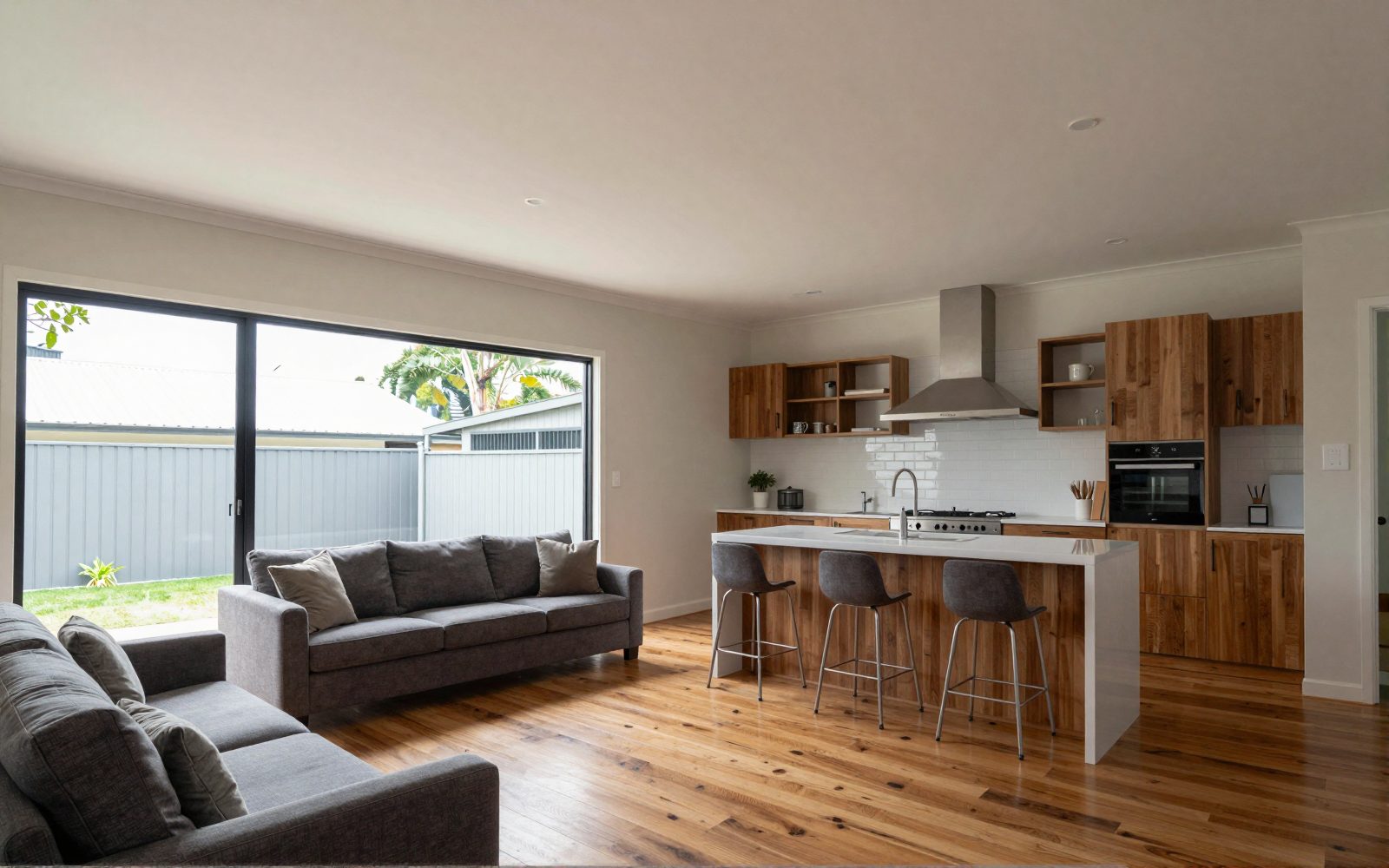
Side by side
| Split system | Ducted | |
|---|---|---|
| Supply and install (2026) | $1,400 to $3,000 each | $8,000 to $15,000 |
| Best for | One to three rooms | The whole house |
| What you see | A wall unit in each room | Ceiling vents and one controller |
| Needs | A wall for the indoor unit and a spot outside | Roof space for ducts and the fan coil |
| Install time | Usually a day | Several days |
Costs: hipages, January 2026. Multi-split systems (one outdoor unit, several indoor) sit between, at $3,000 to $10,000.
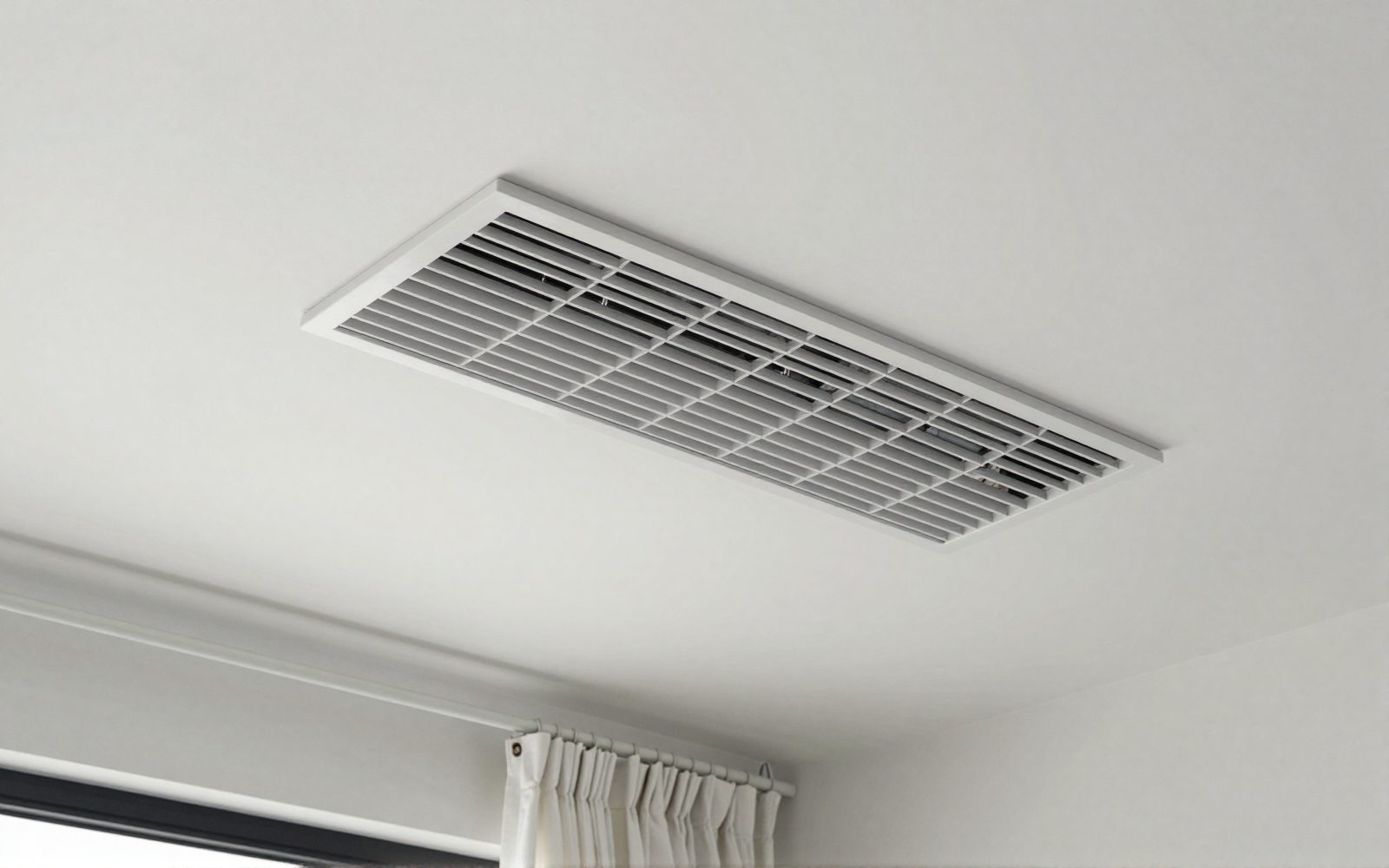
How to decide
- Count the rooms you really need to heat or cool.
- Check the roof space: no room for ducts, no ducted.
- Think about how long you will stay: ducted is a bigger, longer-term spend.
- Ask about zoning on ducted, so you only condition the rooms in use.
Costs in detail: split systems, ducted.
Running costs
Running costs depend on how many rooms you condition, for how long, and how efficient the system is. A split system cools or heats only the room it is in, so a household that mainly uses the living room in the evening pays to condition just that space. A ducted system can condition the whole house, which costs more to run, unless it has zoning that shuts off empty rooms. Modern inverter systems of both kinds are far more efficient than older fixed-speed units. Check the energy rating label when comparing models.
Comfort and noise
Ducted systems spread air through ceiling vents, so airflow is gentle and the indoor unit is out of sight and out of earshot in the roof. Split systems blow air from one wall unit, which can create a draught near the unit and a quieter, warmer or cooler corner across a large room. Modern split systems are quiet, but you can still hear the fan at high speed. In bedrooms, a quiet mode or a ducted vent can make a difference to sleep.
Looks and space
A split system adds a wall unit to each room and an outdoor unit for each system, or one larger outdoor unit for a multi-split. Ducted air hides the indoor unit in the roof and shows only ceiling vents and a controller, but needs a single larger outdoor unit and space in the roof for ducts. Homes with low roof spaces, flat roofs or tight cathedral ceilings may not suit ducted air.
Zoning in ducted systems
Zoning splits a ducted system into areas, such as living rooms and bedrooms, that you can switch on and off separately. It lowers running costs and lets you cool the living areas in the afternoon and the bedrooms at night. Ask installers how many zones they recommend for your floor plan, and whether the system can handle all zones on at once on the hottest days.
Older Newcastle homes
Many older Newcastle homes, from inner-city terraces to post-war weatherboards, have limited roof space, solid brick walls or heritage features. Split systems usually suit them better, because each unit needs only a small hole for the pipes and a spot outside. Newer and larger homes with generous roof spaces are where ducted systems make most sense.
A middle option: multi-split
A multi-split system runs several indoor units from one outdoor unit. It suits homes that need three or four rooms conditioned but cannot fit ducts, and it reduces the number of outdoor units on the house. It costs more than one split but usually less than ducted air for the whole home.
Installation disruption
A split system installation usually takes a few hours to a day per unit, with one small hole in the wall. Ducted installation takes several days, with work in the roof space, cut-outs for each ceiling vent and the return-air grille, and a larger outdoor unit. Plan for dust and trades in the house, and keep the roof space accessible.
Resale value
Buyers in Newcastle often look for air conditioning, especially in homes away from the coast where summers are hotter. Ducted air with zoning is often seen as a feature in larger family homes, while split systems in the main rooms are expected and valued in smaller homes and units. Neither is guaranteed to add more to the sale price than it cost, so choose the system that suits how you live.
Maintenance differences
Split systems are easy to maintain: you can clean each unit's filters in minutes. Ducted systems have one return-air filter, which is simpler, but the indoor unit and ducts are in the roof space, so professional servicing costs more and takes longer.
Heating as well as cooling
Both split and ducted reverse-cycle systems heat as well as cool, which suits Newcastle's cool winter nights. Split systems heat the room they are in quickly; ducted systems warm the whole zone more gently. For homes that are cold in winter, heating performance matters as much as cooling, so check each system's heating capacity, not only its cooling capacity, when you compare quotes.
Questions to ask installers
- How many kilowatts does my home or room need, and how did you work it out?
- For ducted: how many zones, and where would the vents and return-air grille go?
- For split: where would each indoor and outdoor unit go?
- What will it cost to run for the way we live?
- What warranty do you give on the unit and the installation?
Our view
For most Newcastle homes that only need two or three rooms cooled and heated, split systems are the simpler, cheaper choice. For larger homes with a good roof space and a family that uses most rooms, zoned ducted air is worth pricing.
Common questions
Is ducted or split cheaper?
For one to three rooms, split systems cost far less; for a whole house, ducted can make more sense.
Can I add a split system to a house with ducted air?
Yes, for a room the ducts do not reach well, such as an extension.
Is ducted air conditioning more expensive to run than split systems?
It can be if you condition the whole house. With zoning that shuts off empty rooms, the difference narrows.
Which is quieter, ducted or split?
Ducted systems are usually quieter inside because the indoor unit is in the roof; modern split systems are quiet but you can hear the fan at high speed.
Sources
- hipages, How much does reverse cycle air conditioning cost? (2 January 2026)
- hipages, How much does air conditioning installation cost? (2 January 2026)
Checked 3 October 2026. Prices are published ranges, not quotes; rebates change, so confirm with the installer and the NSW Government.